How IoT is Transforming Office Security: Trends and Predictions for 2024
The Internet of Things is revolutionizing office security with innovative solutions to enhance safety, efficiency, and convenience.
32 articles tagged office security.

The Internet of Things is revolutionizing office security with innovative solutions to enhance safety, efficiency, and convenience.
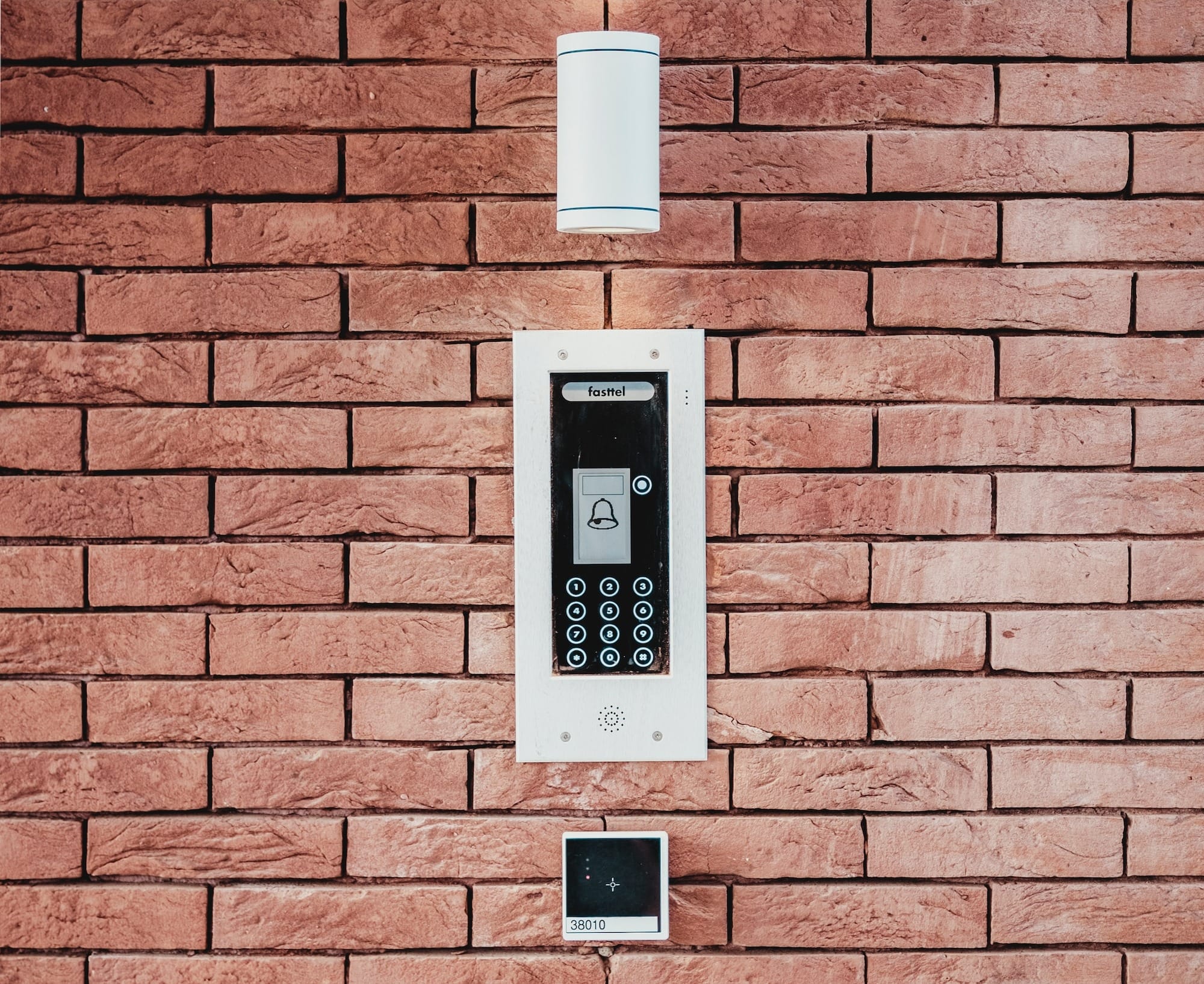
Businesses are increasingly turning to advanced technology solutions to protect their premises, data, and personnel in 2024.

Big data analytics enhances office security by analyzing data from various sources, predicting potential breaches, and enabling sophisticated surveillance and monitoring systems.

AI revolutionizes office security with proactive threat identification and predictive analytics.

Quantum computing's rapid advancements pose a threat to office security, but implementing quantum-safe encryption and QKD can mitigate risks.

Panic buttons have evolved in office security, shifting from fixed installations to portable, wearable devices and mobile solutions.

Smart lighting plays a significant role in office security, offering remote control and customization.

Audio analytics technology analyzes sound patterns to identify security incidents and improve response times.

Next-generation ID cards incorporate biometrics for enhanced security and authentication.

Facial recognition technology offers a hands-free, non-contact method of identity verification for office security, but also presents new challenges and ethical considerations.

Apply TSA guidelines to improve physical security measures in office environments.

Drones offer a high-tech solution for office security, providing real-time surveillance and emergency response capabilities

The rise of SaaS brings new security challenges to the office, requiring effective management and security strategies

Enhancing office security with the integration of AI and IoT

Learn how blockchain can improve office security and protect against cyber threats.

Practical steps to train employees to recognize and avoid phishing attacks.

Explores the concept of edge computing, its benefits and challenges for office security, and best practices for securing the edge.

Insider threats pose a significant risk to office security, requiring a comprehensive strategy to detect and prevent them.

Ensuring data protection compliance is a multifaceted task that involves various components of office security.

Physical security measures, such as access control systems and surveillance cameras, are essential in complement to cybersecurity measures to safeguard valuable resources and foster a secure work envi

Digital twins can be used for better risk visualization and management in office security.

Enhance office security with Zero Trust model, a strategic approach to security that verifies users and devices before access to applications and data

Biometrics offers high security for offices but comes with challenges and ethical considerations.

Smart buildings offer benefits for office security, energy efficiency, and comfort, but also present security challenges due to increased connectivity and data collection.

Integrate physical and cybersecurity measures to safeguard your office environment.

Visitor management systems are a key component of modern access control, providing a more secure and efficient method for managing the entry and exit of visitors, contractors, and other temporary pers

Fostering a sense of responsibility and awareness among employees to reduce the risk of security breaches.

AI enhances office security, detects threats, and reduces breaches.

As IoT devices proliferate in offices, managing and maintaining an inventory of these devices becomes crucial to ensure security and efficiency.

Addressing security concerns for key office components impacted by IoT.

Secure your office in the IoT era by maintaining an inventory of IoT devices, configuring them properly, and separating them from your main network.

Enhance office physical security with measures for doors, locks, cameras, and more to protect employees and assets.