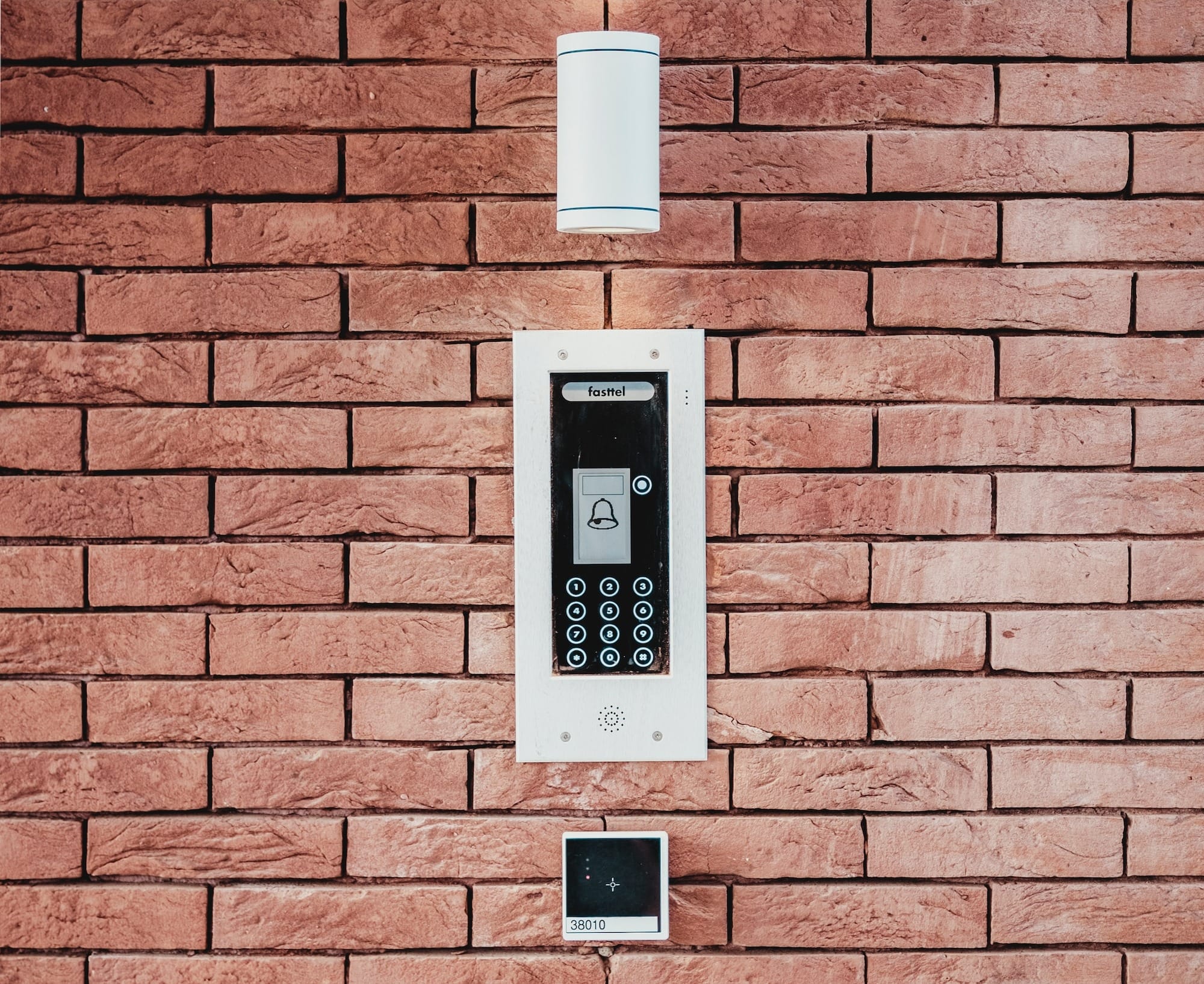
Summary: Examine the impact of smart building technology on office security, including the potential benefits of improved energy efficiency, safety, and comfort, as well as the security risks posed by increased connectivity and data collection.
Introduction
Smart buildings, which utilize advanced technology and interconnected systems to optimize energy efficiency, comfort, and safety, are becoming increasingly common in modern office environments. While these buildings offer numerous benefits, they also present unique security challenges due to their reliance on interconnected devices and systems. This article will examine the impact of smart building technology on office security, including the potential benefits of improved energy efficiency, safety, and comfort, as well as the security risks posed by increased connectivity and data collection.
Opportunities Offered by Smart Buildings
Challenges and Security Risks
Best Practices for Securing Smart Buildings
Conclusion
Smart buildings offer numerous benefits for office security, energy efficiency, and occupant comfort. However, the increased connectivity and data collection associated with these buildings also presents unique security challenges. By adopting a proactive approach to security and implementing best practices such as risk assessments, network segmentation, and employee training, organizations can enjoy the advantages of smart buildings while mitigating potential risks.